As we approach 2026, the field of digital dentistry stands on the brink of transformative advancements that promise to redefine patient care and operational efficiency.
The rapid evolution of technology in dental practices has introduced challenges, including the need for integration and personalization in treatment approaches.
With my extensive experience in dental technology, I aim to highlight the key digital dentistry trends for 2026 that every dental professional should be aware of.
This article will explore the pivotal roles of advanced artificial intelligence, enhanced patient engagement, next-generation intraoral scanners
groundbreaking 3D printing innovations, and seamless cloud-based integrations. By understanding these trends, dental practitioners can better navigate the future landscape
ultimately improving patient outcomes and practice efficiency. Join me as we delve into the exciting developments that will shape the future of digital dentistry.
Digital Dentistry Trends 2026: Advanced AI Transforming Diagnostics and Treatment Planning
Looking ahead to 2026, advanced artificial intelligence (AI) is set to revolutionize how dentists diagnose and plan treatments. Already, a growing number of professionals are adopting AI tools, and the interest continues to rise. This transformation is about much more than just technology—it’s changing the way care is delivered, making it faster, more precise, and more personalized than ever before.
The Role of AI in Dental Diagnostics
AI’s strength lies in its ability to process and interpret massive amounts of data, far beyond human capacity. When applied to dental diagnostics, AI can analyze images, patient histories, and other clinical records to uncover hidden patterns. Imagine a tool that spots tiny early-stage cavities or subtle signs of gum disease several months before they become obvious. By catching these issues early, dentists can intervene sooner, preventing bigger problems and sparing patients unnecessary discomfort.
Improving Treatment Planning with AI
Treatment planning gets a serious upgrade with AI. Instead of relying solely on standard protocols, dentists can now simulate different approaches using patient-specific data. This capability allows for a tailored plan that considers how a patient’s mouth might respond to various treatments. For patients, this means clearer explanations and more informed decisions. You get to see the possibilities laid out visually, helping to build confidence and trust in the path chosen.
Streamlining Clinical Workflows
AI doesn’t stop at diagnostics; it also works behind the scenes to make dental practices run smoother. Tasks like appointment scheduling and billing, which can drain valuable time, are increasingly automated. This shift frees dental teams to focus on what matters most—patient care. AI also helps keep patient records organized and compliant with health regulations, reducing administrative headaches and boosting overall practice efficiency.
Predicting Future Trends in Digital Dentistry
What’s coming next? AI-powered virtual assistants and continuous monitoring tools promise to keep patients engaged and care accessible from anywhere. These developments will bring digital dentistry to a new level, embedding advanced diagnostics and proactive treatment planning into everyday practice. It’s not just about technology evolving; it’s about dentistry becoming smarter and more patient-focused.

Digital Dentistry Trends 2026: Personalized Patient Engagement Through Emerging Technologies
Patient engagement is transforming thanks to technologies that put individuals in the driver’s seat of their oral health. By 2026, dental practices will harness tools that tailor care like never before, making treatments and communications more relevant, understandable, and collaborative.
Artificial Intelligence in Patient Care
AI helps dentists create tailored care by analyzing personal health data to foresee likely dental problems and recommend prevention. For example, if your history suggests a higher risk for certain issues, the system can flag these early and prompt specific check-ups or maintenance advice. This personalized approach keeps you involved and aware, not just a subject of treatment but an active partner in your own health.
Digital Scanning for Enhanced Accuracy
Advanced digital scanners capture exact images of your mouth, creating 3D models that make your dental status easy to visualize. Seeing is believing, and patients who can watch their own scans develop a much better understanding of suggested treatments. This clarity allows for more meaningful discussions with dentists about the best solutions and what to expect.
Integrating Telehealth for Accessibility
Telehealth is bridging gaps in access by enabling virtual consultations and follow-ups. Whether you have mobility challenges or live far from dental clinics, tele-dentistry means you can stay connected comfortably from home. This convenience maintains a steady dialogue and helps keep your oral health on track without unnecessary trips.
Patient-Centric Dental Apps
Expect to see more apps designed just for you—tools that help track your oral health habits, remind you about appointments, and offer personalized tips. These apps turn dental care into a daily, manageable routine and promote better adherence to recommended treatments. With a few taps, you’re empowered to take control of your dental journey.
The Future of Personalized Dental Care
All these technologies come together to create an experience that respects your unique needs and preferences. Dentistry is evolving from a one-size-fits-all approach to a dynamic process filled with continuous feedback and tailored guidance. By putting you at the center, care becomes more effective and engaging, building trust and improving outcomes along the way.
Digital Dentistry Trends 2026: Next-Generation Intraoral Scanners Redefining Patient Communication
Next-generation intraoral scanners are changing the game by combining precision with seamless patient interaction. These devices make the dental visit not just more accurate but more transparent and interactive, which can reduce anxiety and encourage collaboration.
Enhanced Diagnostic Capabilities
Traditional impressions are uncomfortable and can never fully capture the small but crucial details of your mouth. Modern scanners, however, use high-resolution digital imaging to record your oral anatomy with remarkable detail. This precision aids in early detection and crafts more accurate treatment plans designed specifically for your needs.
Improved Patient Engagement
By showing 3D models in real-time, dentists help you actually see what’s going on inside your mouth. This visual storytelling makes treatments less mysterious and allows you to ask questions and understand why certain procedures are necessary. The transparency this offers builds trust and makes accepting recommended treatments easier.
Streamlined Workflow and Efficiency
These scanners speed up the entire process. Instead of waiting days or weeks for lab work based on traditional impressions, digital scans produce instant data that moves quickly through design and manufacturing. This means less time in the chair for you and faster delivery of crowns, bridges, and other restorations.
Integration with Digital Platforms
The data from scanners doesn’t stand alone—it connects smoothly with practice software, imaging systems, and labs. This ecosystem ensures every team member is on the same page, enhancing coordination and minimizing errors. Such fluency benefits you by reducing delays and improving care consistency.
Future Innovations and Patient-Centric Care
Looking to the future, intraoral scanners will become smarter through AI, predicting dental issues early and supporting personalized treatment plans. These continual improvements mean that dental visits will increasingly focus on preventing problems before they start, embracing a proactive, patient-focused approach.
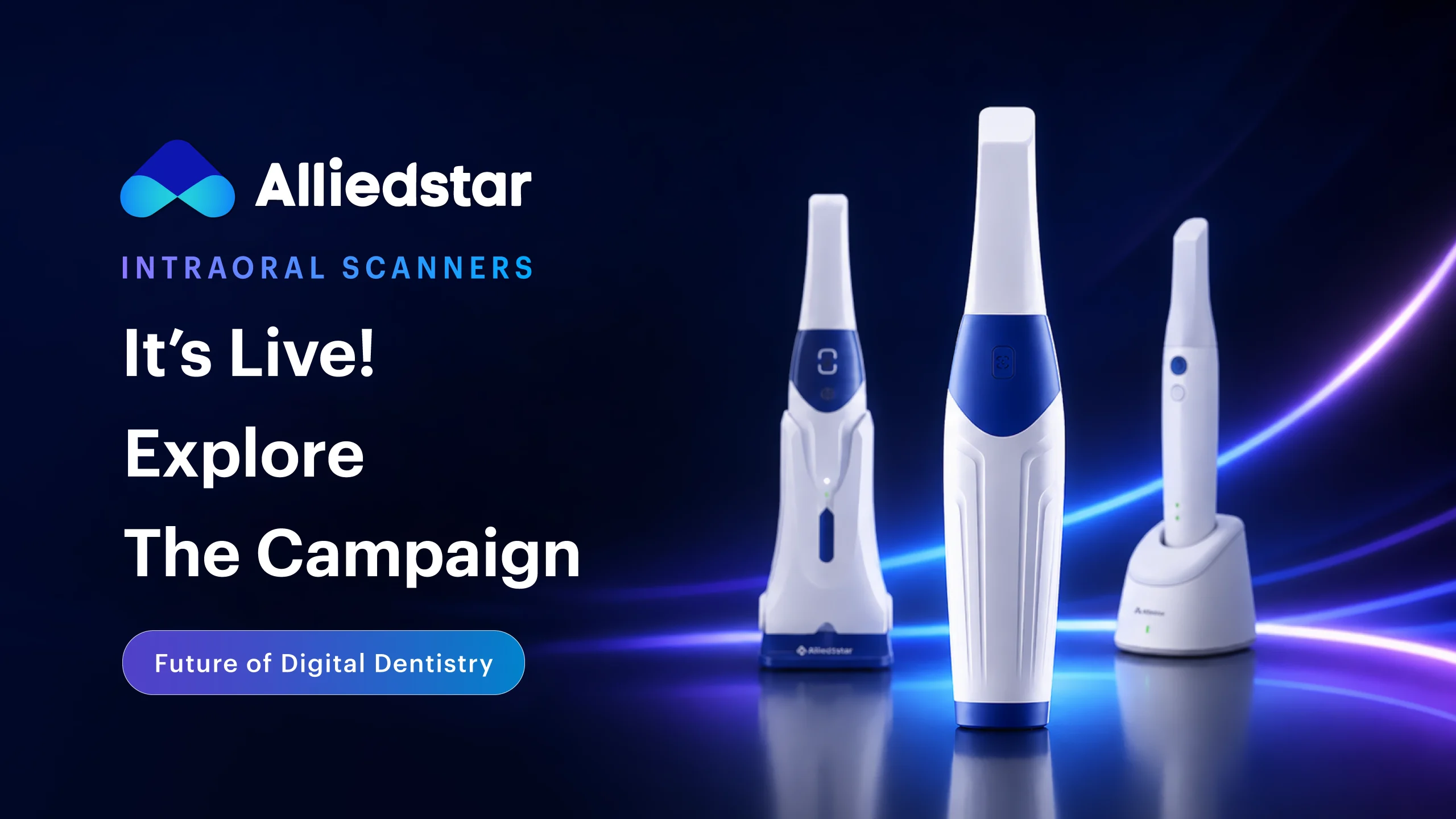
Alliedstar intraoral scanners are among the forefront technologies leading this new era of precision and patient-friendly dental imaging.
Digital Dentistry Trends 2026: 3D Printing Innovations Accelerating Same-Day Restorations
3D printing has injected new energy into dental restoration, making same-day crowns and bridges a reality for many patients. This technology delivers custom-crafted solutions with speed and accuracy that traditional milling machines struggle to match.
Advancements in 3D Printing Materials
The key to high-quality restorations lies in materials. Modern 3D printers use biocompatible resins and ceramics that closely mimic natural tooth enamel. The result is restorations that don’t just look good—they are strong and comfortable, blending beautifully with your existing teeth.
Cost-Effectiveness of 3D Printing
Compared to traditional equipment, 3D printers come at a lower cost and with less maintenance. This affordability translates into savings for dental practices, which often pass these benefits onto patients, making advanced restorations more accessible without a hefty price tag.
Improved Workflow and Patient Experience
By drastically shortening the time needed to produce restorations, 3D printing allows dentists to complete treatments in a single visit. No more waiting days for a crown or wearing temporary fixes. This efficiency greatly improves patient convenience and satisfaction.
Customization and Precision in Dental Restorations
Each restoration is tailor-made using precise digital impressions, ensuring a perfect fit. This accuracy reduces adjustments and enhances comfort, leading to better long-term success rates. When a restoration fits seamlessly, it feels natural—and that’s the goal.
Models like the Dazzle 3D Printer L120 Pro and Dazzle 3D Printer L300 are examples of the cutting-edge equipment pushing these advancements forward in digital dentistry.

Digital Dentistry Trends 2026: Seamless Cloud-Based Workflow Integration for Improved Efficiency
Cloud computing is no longer just for big corporations—it’s reshaping how dental practices operate daily. Moving your dental office’s systems to the cloud means everything from patient records to imaging can be accessed anytime, anywhere, improving flexibility and collaboration.
The Role of Cloud Integration in Dental Practices
Cloud platforms connect all parts of your dental office. Dentists, hygienists, and assistants can share up-to-date patient info instantly, no matter where they are. This connectivity speeds decisions and ensures everyone is working with the same accurate data.
Streamlined Workflows through Automation
Automated tools built into cloud systems handle tedious tasks like scheduling, billing, and reminders. This automation frees up valuable staff time and lowers the chance of human error, leading to smoother operations and happier patients.
Enhanced Data Security and Compliance
Security is a top priority, and reputable cloud services use strong encryption and strict access controls to keep sensitive data safe. Many platforms also help comply with health privacy laws, giving practices peace of mind while embracing digital workflows.
Improved Patient Engagement and Communication
Cloud-based portals let patients check appointments, review treatment plans, and communicate directly with their dentist’s office. This transparency and accessibility build engagement and make dental care a more interactive experience.
Integration with Advanced Technologies
This cloud connectivity links perfectly with other digital dentistry tools, such as AI and 3D printing. Imagine AI analyzing your data remotely or printing a custom crown ordered through a connected system. This synergy speeds treatment and boosts precision.
Digital Dentistry Products often leverage cloud integration to create these smart, connected environments that transform how practices operate and deliver care.

Future of Dentistry Technology: Predictive Analytics and Tailored Care in Modern Practices
Predictive analytics, fueled by AI, is shaping an exciting future where dentists can foresee problems before they happen. By examining detailed patient data—medical history, genetics, lifestyle—analytics give practitioners a deeper understanding of risk and help craft highly personalized care strategies.
Enhancing Diagnostics with Predictive Analytics
Diagnostic tools powered by predictive analytics go beyond the visible. They detect subtle changes and patterns that may signal developing issues like cavities or oral cancers earlier than traditional exams. This allows dentists to intervene proactively, saving you from bigger problems down the road.
Streamlining Workflow and Improving Patient Engagement
Predictive systems also optimize operations by automating routine tasks and guiding patient communications based on individual needs. This tailored engagement keeps you connected and informed throughout your dental health journey, improving motivation and adherence.
Personalized Treatment Plans for Optimal Outcomes
By integrating predictive insights, dentists create treatment plans that reflect your unique profile. Whether that means more frequent cleanings due to a family history of gum disease or lifestyle-based hygiene advice, the care fits you—not the other way around. This approach leads to better outcomes and more satisfied patients.
AI-powered predictions are becoming indispensable, marking a shift from reactive to preventive dentistry—something our field has needed for a long time.
Innovations in Dental Technology: Real-Time Diagnostics and Augmented Reality Applications
Immediate Diagnostic Insights with AI
Advances in AI now allow dentists to receive diagnostic information almost instantly. Scans and X-rays are analyzed immediately, highlighting issues like cavities or gum inflammation right during your appointment. This rapid feedback enables quicker decisions and treatments.
Enhancing Clinical Responsiveness with Intraoral Scanners
Digital intraoral scanners make capturing impressions painless and fast, avoiding the discomfort of traditional molds. The quick turnaround from scan to diagnosis eliminates delays and reduces patient anxiety.
Augmented Reality in Dental Diagnostics
Augmented reality (AR) adds a futuristic edge, projecting 3D images onto your mouth for clearer understanding by both you and your dentist. AR can simulate surgery outcomes or visualize tooth alignment, making complex procedures more transparent and easier to discuss.
Streamlining Treatment Planning and Patient Education
With AR and real-time data, dentists are better equipped to educate patients about treatments. This interactive learning helps you grasp your options, expect results, and feel more confident moving forward.
The Future of Dental Technology
These cutting-edge tools are not just novelties; they will become core parts of dental care, making visits more efficient, less stressful, and more informative. Their growth signals a future where technology and empathy work hand-in-hand.
Digital Dentistry News: Latest Developments in Connected Dental Ecosystems
The buzz in digital dentistry circles is all about connected ecosystems—networks where devices and systems talk to each other, crafting a smooth and integrated care environment. This interconnectedness changes how both patients and professionals experience dental care.
Enhanced Workflow Efficiency
When dental management software, imaging tools, and patient records are digitally linked, workflows become seamless. Tasks like scheduling and data retrieval are handled smoothly, reducing errors and delays. This harmony helps dental teams provide care faster and more accurately.
Improved Patient Experience
Connected systems extend beyond the clinic walls via tele-dentistry and online portals. Patients enjoy easier access to their information and remote consultations, making dental care more convenient and continuous.
Data-Driven Insights and Personalized Care
Big data analytics sift through patient trends and outcomes to support more personalized treatment approaches, focusing on prevention and tailored interventions that fit patient lifestyles and risks.
Integration of Wearable Technology
Devices like smart toothbrushes track oral hygiene habits, offering feedback and reminders to patients. When dentists can monitor these data remotely, they can adjust recommendations and catch potential issues early, encouraging better habits.
Collaboration Across Disciplines
Connected ecosystems also promote healthcare collaborations, linking dental care with general health services. Through shared data and coordinated approaches, providers gain a holistic view, improving overall patient well-being.
These innovations make dental care more connected, responsive, and patient-focused than ever before. Staying updated with the latest digital dental implants and other advances is vital for practices aiming to lead in this new era.
conclusion
Digital dentistry is quickly moving toward a future where technology enriches every step of the patient journey, from diagnosis to treatment and follow-up.
Advanced AI boosts diagnostic precision and tailors treatment planning, enabling dental care that’s both smarter and more patient-friendly.
Next-generation intraoral scanners and 3D printers not only improve accuracy but also speed up care, often allowing same-day restorations that save time and discomfort.
The integration of cloud-based workflows ensures seamless collaboration and robust security, making operations more efficient and data more accessible.
Predictive analytics empower dentists to anticipate issues and personalize plans, while innovations like augmented reality enhance communication and understanding.
Finally, connected dental ecosystems unite devices, software, and care providers into a cohesive network supporting better health outcomes.
Embracing these trends will be essential for dental professionals who want to stay ahead in a rapidly evolving landscape
delivering exceptional care that meets the expectations of today’s patients while advancing the future of dentistry technology.
Meanwhile, for dental professionals intrigued by the latest scanner innovations, the Alliedstar Sensa intraoral scanner and the Intraoral Scanner BLZ INO200 represent
leaps in scanning accuracy and patient comfort worth exploring. Likewise, the variety of choices offered by Dazzle 3D Printer S130 addresses diverse printing needs
enhancing the precision and speed of dental restorations. Engaging with these groundbreaking digital dentistry news not only strengthens your practice
but keeps you at the forefront of patient-centered care innovation.