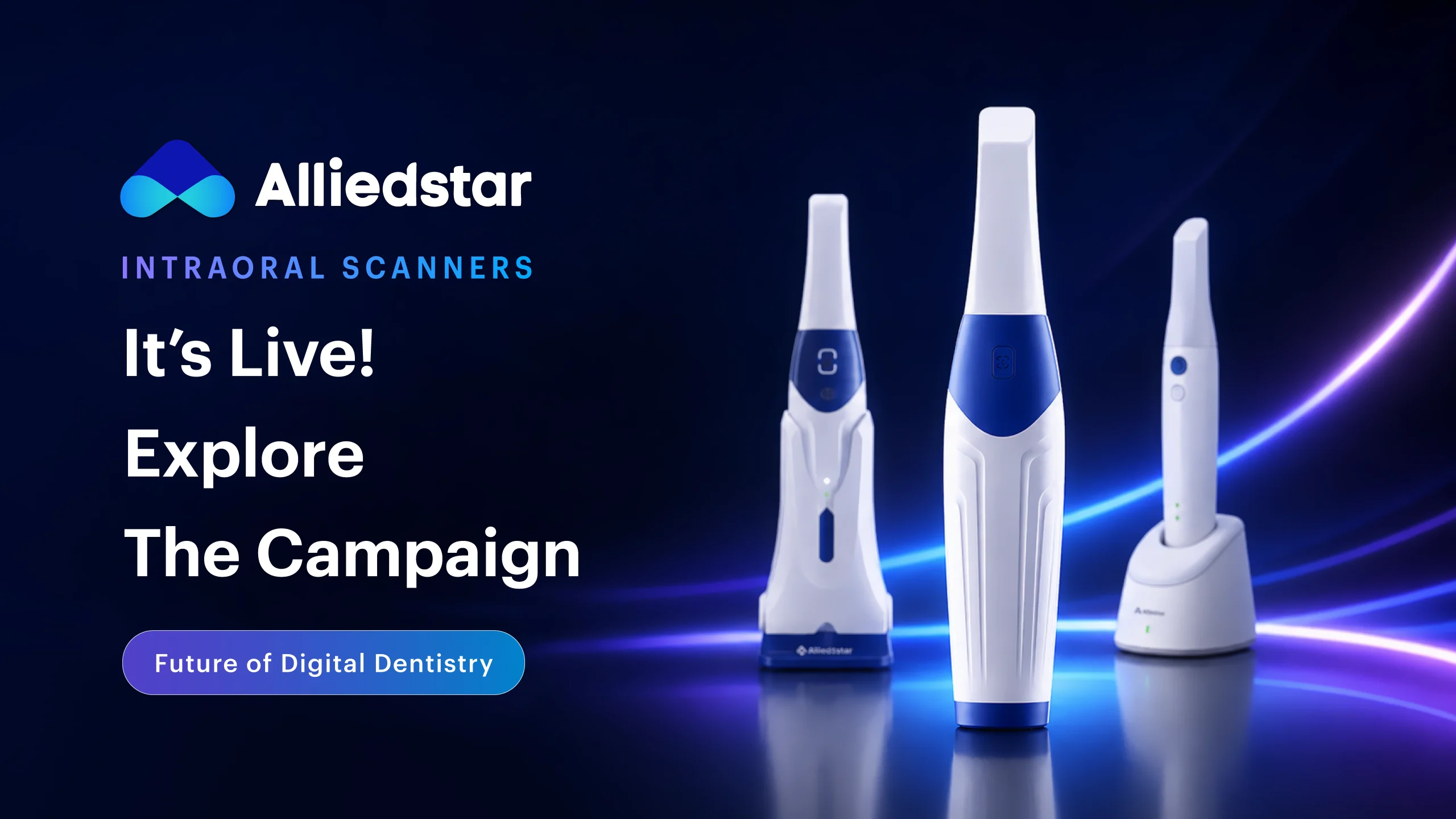
The dental industry is undergoing a transformative shift. Clinics that embrace digital technology gain a significant edge in precision, efficiency, and patient satisfaction. Setting up a fully digital dental clinic is more than purchasing advanced equipment—it involves careful planning, strategic workflow integration, staff training, and investment in software that connects all aspects of patient care. This guide provides a complete roadmap for dental professionals looking to modernize their practice and maximize both operational efficiency and patient outcomes.
What is a Fully Digital Dental Clinic?
A fully digital dental clinic is a practice where traditional analog processes are replaced or augmented with digital technology at every step of patient care. From imaging and diagnostics to treatment planning, fabrication, and patient records, digitization ensures a seamless workflow.
Key benefits include:
- Precision: Digital impressions and 3D imaging reduce human error.
- Speed: Faster treatment cycles and same-day restorations.
- Enhanced patient experience: Visualizations and interactive treatment planning improve communication.
- Streamlined operations: Digital scheduling, billing, and record-keeping minimize administrative tasks.
- Compliance: Digital record-keeping ensures adherence to regulatory standards.
Unlike partial digital setups, a fully digital clinic ensures integration between all devices and software, creating a synchronized, efficient, and modern dental environment.
Planning Your Fully Digital Dental Clinic
Before investing, meticulous planning is crucial.
1. Space Planning
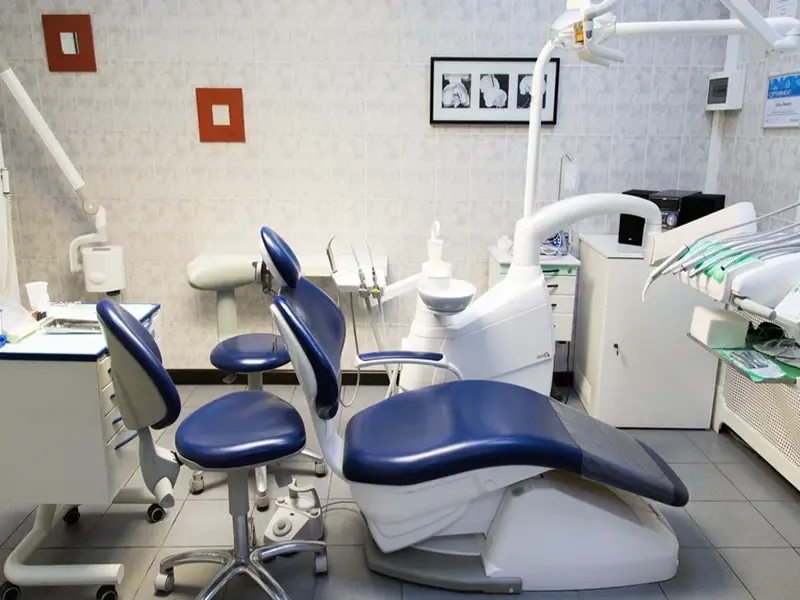
- Allocate dedicated zones for scanning, CAD/CAM workstations, 3D printing, and sterilization.
- Ensure patient comfort with ergonomic operatories and clear circulation pathways.
- Plan for future expansions and equipment upgrades.
2. Budget Allocation
- Prioritize high-impact investments such as intraoral scanners, CBCT machines, and CAD/CAM milling units.
- Consider operational costs, including software licenses, maintenance, and consumables.
- Allocate funds for staff training and workflow integration.
3. Workflow Design
- Map the patient journey from check-in to post-treatment follow-up.
- Integrate digital tools at every stage to reduce manual steps and improve efficiency.
- Plan data storage and backup solutions for digital records.
A well-structured plan prevents inefficiencies and ensures the digital clinic runs smoothly from day one.
Essential Equipment for a Fully Digital Dental Clinic
A modern digital dental clinic relies on carefully selected equipment.
1. Digital Imaging Systems
- Intraoral Scanners: Capture precise 3D images of teeth and soft tissues.
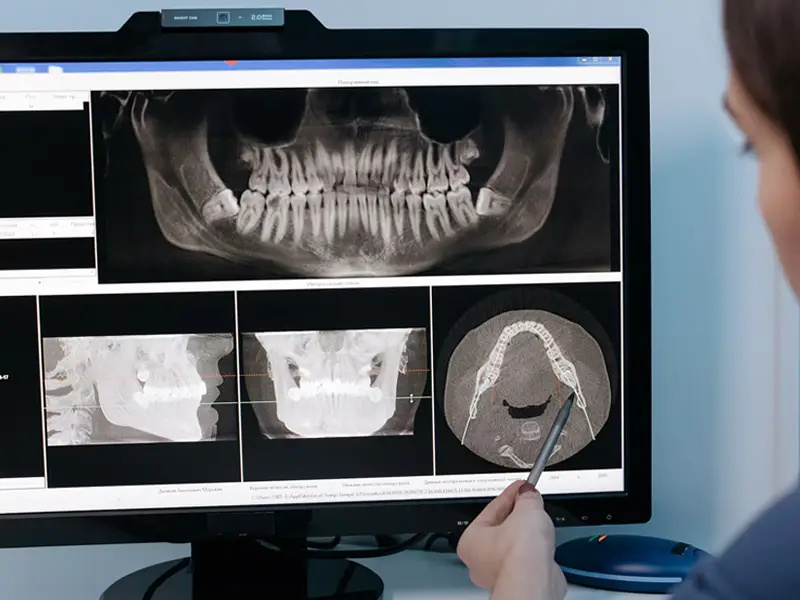
- CBCT Machines: Provide detailed volumetric scans for implant planning, endodontics, and orthodontics.
- Digital X-Ray Units: Fast, accurate, and with reduced radiation exposure.
2. CAD/CAM Technology
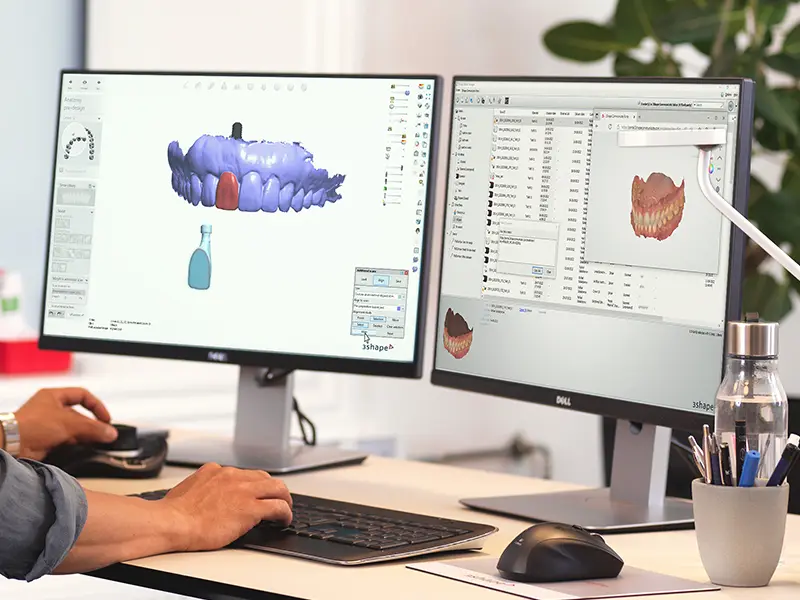
- Design Software: Enables precise modeling of crowns, bridges, and prosthetics.
- Milling Machines: Manufacture restorations in-house, often within hours.
- 3D Printers: Produce surgical guides, aligners, models, and custom appliances.
3. Patient Management and Record Systems
- Dental Practice Management Software (PMS): Centralizes scheduling, billing, and communication.
- Electronic Health Records (EHR): Digital storage for treatment histories, scans, and imaging.
- Cloud Solutions: Ensure secure access and data sharing across multiple operators or clinics.
4. Digital Sterilization Equipment
- Autoclaves with digital monitoring track cycle parameters and print logs.
- Instrument tracking software reduces errors and ensures regulatory compliance.
- Inventory management systems automate supply monitoring.
Pro Tip: Linking intraoral scanners, CAD/CAM units, and PMS software ensures a completely automated workflow, reducing errors and saving chair time.
Integrating Software for Seamless Operations
Software integration is at the heart of a fully digital dental clinic.
- CAD/CAM Software: Directly communicates with scanners and milling machines.
- Practice Management Software: Automates scheduling, billing, and patient notifications.
- Imaging Software: Stores, processes, and shares CBCT, X-rays, and digital impressions.
- Analytics Tools: Monitor clinic efficiency, identify bottlenecks, and optimize workflows.
Proper integration allows for real-time updates, better decision-making, and reduced manual intervention.
Designing an efficient digital dental workflow
A well-defined digital workflow ensures maximum efficiency.
- Digital Patient Intake: Electronic forms capture insurance info, medical history, and consent.
- Imaging & Diagnostics: Digital impressions and radiographs are stored in EHR.
- Treatment Planning: CAD/CAM software models restorations and surgical guides.
- Fabrication: Milling machines or 3D printers produce restorations on-site.
- Delivery & Follow-Up: Patients receive notifications, post-treatment instructions, and digital records.
Example: A same-day crown can be scanned in the morning, milled, and placed by afternoon, reducing multiple appointments and improving satisfaction.
Staff Training and Skill Development
Even the most advanced equipment is useless without trained personnel.
- Provide hands-on training for dentists, hygienists, and assistants.
- Conduct software workshops for CAD/CAM and PMS use.
- Schedule refreshers and updates when software or hardware is upgraded.
- Encourage staff to participate in webinars or industry events on digital dentistry.
Trained staff ensures smoother operations and better utilization of digital tools.
Patient Experience and Comfort
Digital technology enhances patient satisfaction:
- Faster procedures: Digital impressions and in-house fabrication reduce chair time.
- Visual treatment plans: 3D images and simulations help patients understand procedures.
- Digital communication: Appointment reminders, follow-up emails, and portals increase engagement.
A fully digital dental clinic demonstrates professionalism and modernity, building trust and long-term loyalty.
Maintenance and Calibration of Digital Equipment
Regular maintenance ensures accuracy, longevity, and compliance:
- Routine calibration for scanners, milling machines, and 3D printers.
- Software updates to maintain compatibility and security.
- Digital autoclaves must follow sterilization schedules and log reports.
- Consumables check: Resins, milling burs, and printer filaments must be monitored.
Neglecting maintenance risks downtime, errors, and compromised patient care.
Financial Planning and ROI
Building a fully digital dental clinic requires significant investment, but the return can be substantial:
- Reduced lab outsourcing costs through in-house milling/printing.
- Faster treatment cycles allow more patients per day.
- Marketing advantage: Attract tech-savvy patients looking for modern dental solutions.
- Long-term savings: Digital records and automated inventory reduce administrative costs.
Proper financial planning ensures the digital clinic remains profitable and sustainable.
Dental data compliance, security and management
Digital dental clinics must prioritize security and compliance:
- Data protection laws: HIPAA (US) or local equivalents.
- Encrypted storage: Cloud or on-site servers for digital records.
- Audit trails: Track who accessed data and when.
- Software backups: Automatic daily or weekly backups prevent data loss.
Security and compliance enhance patient trust and protect your practice legally.
Future-Proofing Your Digital Clinic
Digital dentistry evolves rapidly. Consider:
- Scalable solutions: Equipment that can be upgraded.
- Emerging technologies: AI diagnostics, teledentistry, digital orthodontics.
- Modular design: Enables adding new units without disrupting workflow.
- Continuous training: Keeps staff current with industry standards.
Future-proofing keeps your clinic competitive and adaptable.
Elevate Your Clinic with Digital Precision
Setting up a fully digital dental clinic is a significant investment in technology, workflow, and staff development. The benefits—precision, speed, patient satisfaction, and operational efficiency—far outweigh the costs. By following this guide, dental professionals can confidently transition to a digital practice that is modern, efficient, and patient-centered. At Futuremirates, we provide state-of-the-art digital dental equipment and solutions that help clinics achieve these goals, ensuring every practice operates at its full potential.
Frequently Asked Questions About Fully Digital Dental Clinic Equipment
- Can a small clinic go fully digital?
Yes. Start with impactful devices like intraoral scanners, digital X-rays, and PMS. Gradually add CAD/CAM or 3D printing.
- How much does it cost to start a fully digital dental clinic?
Costs vary depending on the equipment and software you choose. Budget planning should consider hardware, software, training, and ongoing maintenance.
- How does digital dentistry improve patient outcomes?
Faster and more accurate treatment, better diagnosis, and better patient communication improve care and overall satisfaction.
- How do I maintain digital equipment?
Follow the manufacturer’s instructions for calibration, sterilization, and software updates. Staff training is critical.