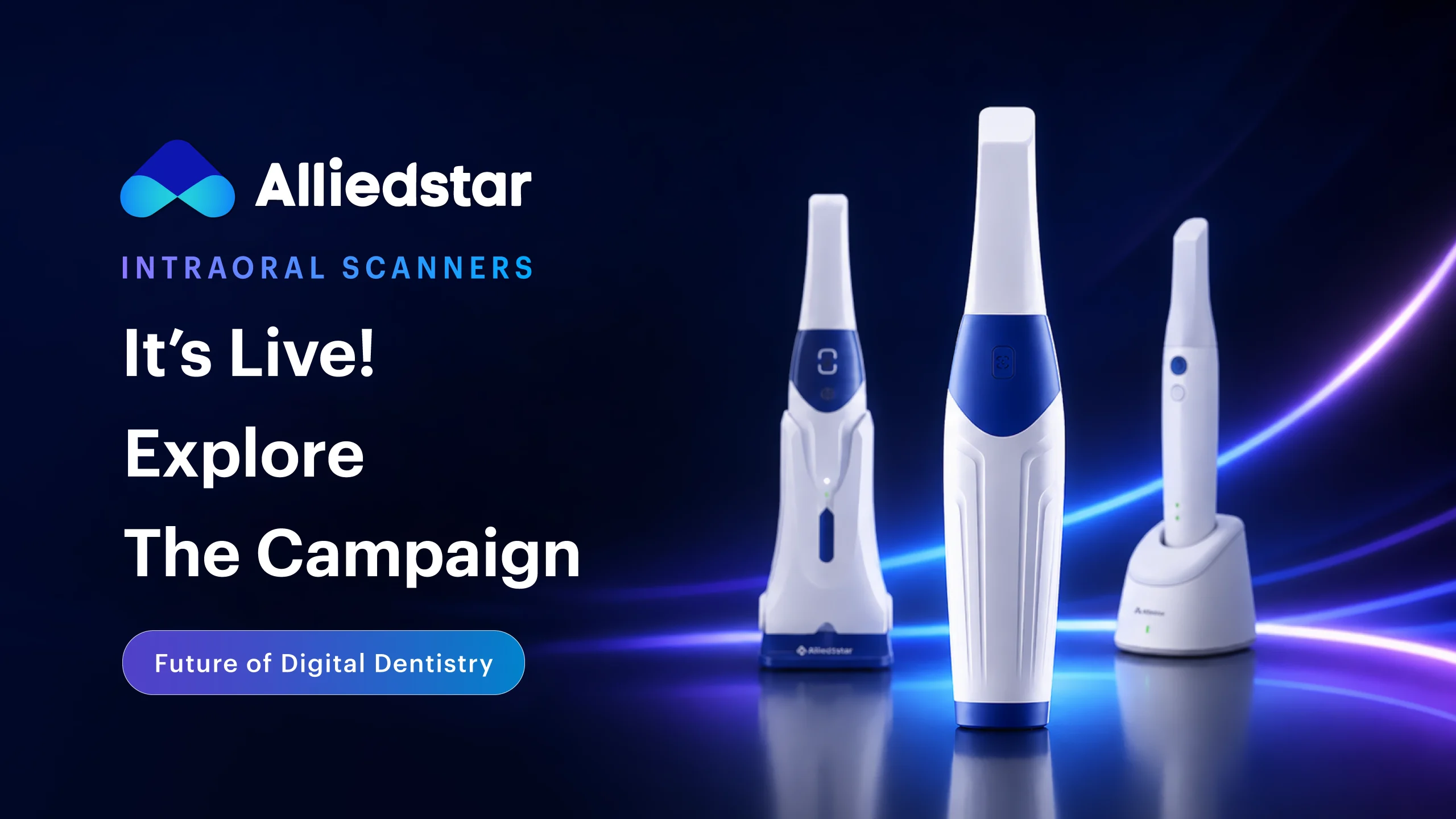
Clean, reliable, and accurately calibrated dental equipment lies at the heart of any modern dental clinic. Effective dental equipment maintenance ensures that every appointment runs smoothly, patient safety is never compromised, and investments in high-end dental technology are protected for the long term. Understanding how to look after your equipment not only raises the quality of care in your clinic but also keeps you ahead of regulatory demands and reassures patients that they are in safe, professional hands. This comprehensive guide gathers the best practices, essential routines, and expert insights into one easy-to-reference resource, making it your go-to source for optimising every detail of dental equipment maintenance and calibration—now and for years to come.
Best Practices for Cleaning and Maintaining Dental Equipment
Daily and Weekly Cleaning Routines for Your Dental Directory
Running a dental clinic smoothly depends on a consistent commitment to daily and weekly cleaning routines. Each day, early in the morning and at the close of the clinic, specific equipment and surfaces should be the focus of cleaning efforts. Dental chairs, handpieces, lamp handles, and all patient-touch surfaces need to be wiped down thoroughly with approved disinfectants. This proactive approach creates a healthier environment for both patients and staff and prevents dirt or pathogens from accumulating.
Beyond these daily tasks, a deeper cleaning schedule executed once a week ensures longevity for your clinic’s high-value tools. Take time every week to check and replace filters, examine gaskets and seals, lubricate moving parts where required, and inspect for any loosening or damage on fixtures. By focusing a little extra attention on these often-overlooked components, you can catch problems early, reducing the chance of unexpected breakdowns that could disrupt your entire dental directory of services. Additionally, this habit extends the lifespan of your equipment, minimizes emergency expenditures, and makes routine inspections far less stressful experiences.
Safe Disinfection Techniques for High‑Touch Tools
Effective disinfection sits at the core of dental surgery equipment safety. Instruments like mirrors, handpieces, and ultrasonic scalers are used across many patient appointments daily. Each time you use a tool, the process should be identical: carefully remove visible debris, then apply EPA-approved disinfectants according to the manufacturer’s guidelines for contact time and compatibility.
Practicing this level of attention not only keeps patients safe from infectious agents but also preserves the sensitive surfaces and mechanisms inside dental instruments. It’s just as important to log your disinfection steps. Create a record for each cleaning session: noting tool type, product used, time of application, and operator initials. This documentation supports hygiene but also helps if ever you need to prove compliance during inspections or audits.
Preventing Biofilm Buildup in Critical Components
Some of the most persistent issues in dental clinics originate from invisible contamination, especially biofilm buildup. Dental waterlines, connectors, and internal surfaces can become breeding grounds for bacteria over time if not monitored. To keep your dental equipment maintenance program effective, flush all waterlines at the start and end of each day with water or an antimicrobial solution. At scheduled intervals, use specially designed cleaning products that remove and kill biofilms before they compromise water flow or emit unpleasant smells.
Monitoring these systems regularly will alert you to early signs of contamination—such as slow water output or unusual odors—prompting swift intervention. Taking such steps ensures your equipment isn’t just clean on the outside but internally safe as well. By maintaining these standards, you foster a reputation for excellence and reassure patients that their wellbeing is always the main priority.

In summary, the foundation of dependable dental practice lies in these regular routines. With daily and weekly checklists in place, risks of malfunction or health hazards diminish, setting your clinic up for consistent success over time.
How to Build an Effective Maintenance Schedule for Dental Surgery Equipment
Customising Checklists for Every Zone of Your Practice
Every dental practice is unique, with each area—be it the operatory, surgical suite, or hygiene room—housing specialized dental equipment that demands individual care. An effective maintenance schedule isn’t just a formality; it’s the backbone of smooth operations. Begin by mapping out every major device in each clinical zone, including chairs, sterilizers, lights, handpieces, and ultrasonic cleaners.
For each piece of equipment, compare your practice’s daily needs with the manufacturer’s instructions. Build custom checklists detailing daily, weekly, and monthly maintenance steps. Use these checklists to guide every member of your dental team through their responsibilities, ensuring both routine and specialized tasks are handled consistently. This detailed mapping helps avoid lapses that could lead to equipment failure or compromised patient care. With this approach, the dentistry experience for patients and clinicians alike becomes more reliable and reassuring.
Assigning Responsibilities Within the Dental Team
Clear responsibility transforms good intentions into dependable action. For your maintenance program to work, assign precise duties to individual team members. For example, designate one staff member as the daily disinfector of the operatory, another for tracking autoclave cycles in the surgical suite, and yet another for inspecting suction hoses in the hygiene room.
Provide brief, practical training sessions for each person’s assigned tasks. When every team member understands not just what to do, but why it matters, accountability rises and routines become ingrained in the workflow. Ownership of specific duties reduces confusion and empowers your staff, building a more unified, effective team.
Tracking Maintenance and Service History for Compliance
Organization is crucial when it comes to regulatory compliance and equipment longevity. Create a modern logging system, whether digital or paper, where each maintenance or calibration event is recorded. For each action, note the date, equipment involved, task performed, and responsible staff member. Keep track of routine cleaning, repairs, parts replaced, and professional calibrations.
Regularly review these records. They not only serve as a shield during audits but also make it easier to spot recurring problems, anticipate future needs, and plan preventative maintenance before breakdowns occur. These logs become invaluable as a part of your dental directory of documentation, quickly proving the diligence of your operation in the event of review by health authorities or during internal quality checks.

A well-maintained, well-documented clinic is a resilient one—protected against surprise failures and equipped to provide seamless, excellent service at every appointment.
Understanding Servicing and Calibration: Key Principles for Dental Equipment Maintenance
Why Regular Servicing Ensures Patient Safety
Scheduling regular servicing for all dental equipment is fundamental to safeguarding both patients and practitioners. Equipment that is routinely checked and serviced isn’t just less likely to break down—it’s also less likely to compromise patient health due to hidden failures like worn-out gaskets or the spread of biofilm. Scheduled maintenance means minor issues are caught early while precision and hygiene standards are preserved.
Overlooking this process exposes your clinic to unexpected breakdowns that can lead to canceled appointments and a loss of trust. Reliable service intervals keep every piece of your dental equipment directory fully functional, so each patient can have confidence in the care they receive.
Calibration Essentials: Staying Precise and Meeting Standards
Calibration is equally important for both compliance and quality care. Each piece of technology, from digital imaging units to curing lights, comes with industry-accepted standards for accuracy. Calibration involves fine-tuning these instruments so that diagnostic and treatment results are consistent and reliable.
If devices drift out of calibration, seemingly small errors—like inconsistent X-ray exposure or imprecise measurements—can lead to clinical mistakes. Sticking to a regular calibration schedule not only assures precise outcomes for every patient but also proves your clinic’s conformity with legal and insurance requirements.
Common Pitfalls and How to Avoid Them
Many practices fall into predictable traps: letting routine checks slide, neglecting documentation, or trying to handle complex repairs without professional help. Missing even one key servicing or calibration step can eventually lead to breakdowns and noncompliance.
- Implement a written calendar for every equipment servicing and calibration need.
- Log all completions and issues in a dedicated file, digital system, or both.
- Schedule periodic visits by certified engineers for expert checks and repairs.
Proactive habits in these areas secure your practice against setbacks and uncertainty, allowing you to focus on service instead of troubleshooting.

The combination of expert calibration and attentive servicing builds a rock-solid base for your dental operation, providing efficiency, safety, and continuous peace of mind.
Spotting Problems Early: Common Dental Equipment Issues and Solutions
Identifying Wear and Tear and Acting in Time
Over countless appointments, all dental equipment—from patient chairs to ultrasonic cleaners—undergoes wear. Early warning signs such as worn-out O-rings, small leaks, unreliable controls, or odd noises must not be ignored. Regular visual checks, combined with scheduled operational tests, uncover these faults before they escalate.
Promptly addressing minor issues keeps your equipment in top shape and your appointments running to schedule. Early detection also helps control costs—routine fixes are much less expensive than urgent, last-minute repairs.
DIY Fixes Versus When to Call a Professional
Many day-to-day maintenance actions fall well within your team’s skillset—cleaning, oiling, tightening fittings, or replacing simple parts. However, calibration, complex diagnostics, and in-depth repairs must be left to certified technicians. Trying to tackle these in-house can void warranties, lead to more severe damage, or create noncompliance risks.
The best approach is to establish clear protocols: set the boundary between what can be safely done on the spot versus when outside expertise is called for. This ensures safety, protects investments, and maintains high standards throughout your patient care journey.
Reducing Downtime Through Preventative Maintenance
The true power of a solid dental equipment maintenance schedule lies in prevention. Establishing a calendar for cleaning, servicing, calibration, and inspection radically reduces the risk of sudden breakdowns or inconvenient delays. The cost of regular preventative action is minor compared to the losses caused by equipment failures, rescheduled patients, or emergency repairs.
Practices that prioritize prevention enjoy smoother administrations, better reviews, and a more harmonious relationship with patients, as their trust is actively nurtured through reliability at every visit.
Consistently following these steps creates a culture of attention, pride, and readiness that pays off across every aspect of clinic operation and patient satisfaction.
Servicing Needs by Equipment Type: Protecting Every Investment
Air Compressor: Essential Maintenance Actions
Air compressors are the powerhouse behind much of a clinic’s handheld dental surgery equipment. Malfunctions here risk shutting down the entire workspace. Regularly check all seals, tubes, and fittings for leaks or signs of wear. Schedule quarterly professional servicing, including pressure and filtration calibration as recommended by manufacturers.
By taking small steps—like confirming pressure consistency and listening for air leaks—you prevent large-scale interruptions and maintain an efficient daily workflow.
Autoclave and Sterilisation Equipment: How to Keep Them Reliable
An autoclave is your strongest defense against infection. Cleaning and de-scaling chamber walls and gaskets every week can go a long way toward maintaining function. Professional calibration of temperature and pressure should be booked according to usage frequency, typically several times a year for busy practices.
Ensure logs are updated with each cleaning and calibration step—detailed records support safe operations and regulatory audits, cementing your reputation for prioritizing patient safety.
Dental Chair, Suction Pump, and Imaging Systems: Focus Points
Dental chairs should be inspected frequently, with attention to moving joints, programmable controls, and all patient-contact surfaces. Any unusual sounds, movements, or fluid leaks indicate a need for swift intervention. Suction pumps require monitoring for obstructions and leaks to ensure infection control and reliable operation.
Imaging systems—integral for clear diagnostics—must be cleaned with gentle products and recalibrated regularly so that every scan remains precise. Keep software updated and hardware maintained according to manufacturer’s guidelines.
Adopting a systematic approach to each equipment category boosts equipment longevity, supports stellar patient outcomes, and eases stress for your entire dental team.
Choosing the Right Service Partner: Smart Dental Engineering Support
Benefits of Certified Technicians and Experienced Engineers
Entrusting maintenance and calibration tasks to certified technicians and highly experienced engineers brings outstanding advantages. These experts are trained to spot underlying problems quickly and address them before they become disruptive. Their specialized knowledge ensures your The Ultimate Guide to Maintaining Your Dental Scanners is always fully up to date, compliant, and safe for every clinical use.
By building a strong relationship with experts who are familiar with the unique demands of dental technology, you achieve the highest standard of care and reinforce your practice’s reliability in the eyes of both patients and regulators.
Local and Specialized Service Teams: Why They Matter
Local support teams offer quick responses and tailored problem-solving. In the event of an urgent breakdown, a nearby specialist can have your dental equipment maintenance needs addressed rapidly, avoiding lengthy downtimes. Local experts are often more adaptable, providing flexible scheduling and personalized care that national or generic suppliers may not offer.
When the service provider knows your clinic’s workflow and equipment setup, they can advise on upgrades, troubleshoot chronic issues, and optimize maintenance schedules for every item in your dental surgery equipment directory.
Custom Solutions for Every Practice
Each dental clinic operates differently. A quality engineering partner will offer maintenance plans that align with your exact needs, not just a generic program. Look for tailored solutions such as:
- Routine checkups and specialized servicing for each clinic area.
- Custom calibration schedules for high-use imaging or scanning equipment.
- Support with regulatory papers, record keeping, and audit preparation.
When your service partner listens and adjusts strategies over time, the partnership grows stronger and more valuable—ensuring seamless, quality care at every stage of your clinic’s development.
Summary
Creating a strong foundation in dental equipment maintenance begins with establishing thorough routines for daily and weekly cleaning,
tailored checklists for different clinical zones, and detailed record keeping that supports both safety and compliance.
Assigning clear responsibilities within your dental team ensures accountability and consistency,
while regular servicing and precise calibration protect both patient outcomes and equipment investments.
Recognizing early signs of wear, drawing the line between what can be fixed in-house and what requires professional care,
and building strong partnerships with certified local technicians are practical steps that keep your clinic operating smoothly and reliably.
Prioritizing preventative measures over reactive fixes is the difference between continual disruptions and a reputation for excellence.
As you implement these action items, remember to bookmark this resource, share it with others in your dental network, and continue giving feedback.
These strategies will allow your practice to thrive—delivering top-tier care and securing trust, day in and day out.